






《北上洗牙系咪真系平一半?》
Meta description: Thinking of heading “up north” for a scale and polish? Here’s a clear, down-to-earth look at price, quality, travel time, and all the hidden extras so you know if it’s really half the cost.
If you’ve been hearing friends say “go north for teeth cleaning, half price lah,” you’re not alone. Scaling (the routine cleaning to remove plaque and tartar) is one of those services people love to compare across borders. But is it really cheaper by 50 percent, and does cheaper still mean safe and convenient? Let’s break it down in a practical, sabai-sabai way, so you can decide without stress or guesswork.
What exactly is dental scaling?
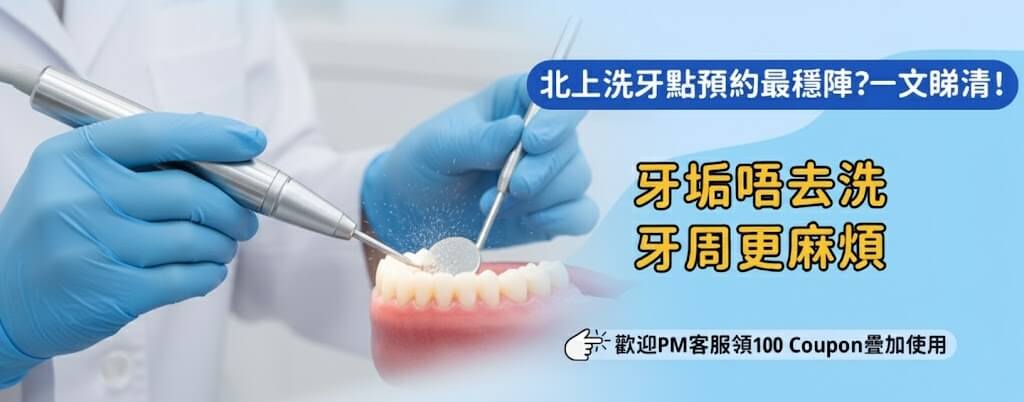
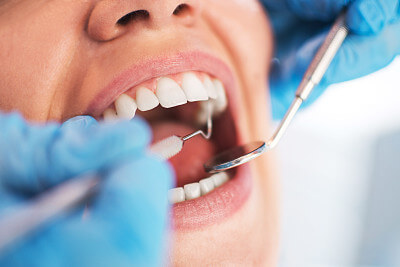
Scaling is a professional clean—usually done with ultrasonic tools—to remove tartar below and above the gumline, followed by a polish to make teeth feel smooth. For most healthy mouths, this takes around 30–45 minutes and is recommended every six months to keep gums nice and healthy. No drama, just routine maintenance.
Price reality check: Hong Kong vs “up north”
- Hong Kong private clinics: A standard scale and polish commonly runs around HKD 800–1,500, depending on clinic location, dentist experience, and whether they include extras like fluoride or a quick check-up with X-rays. Corporate clinics and central locations tend to be higher.
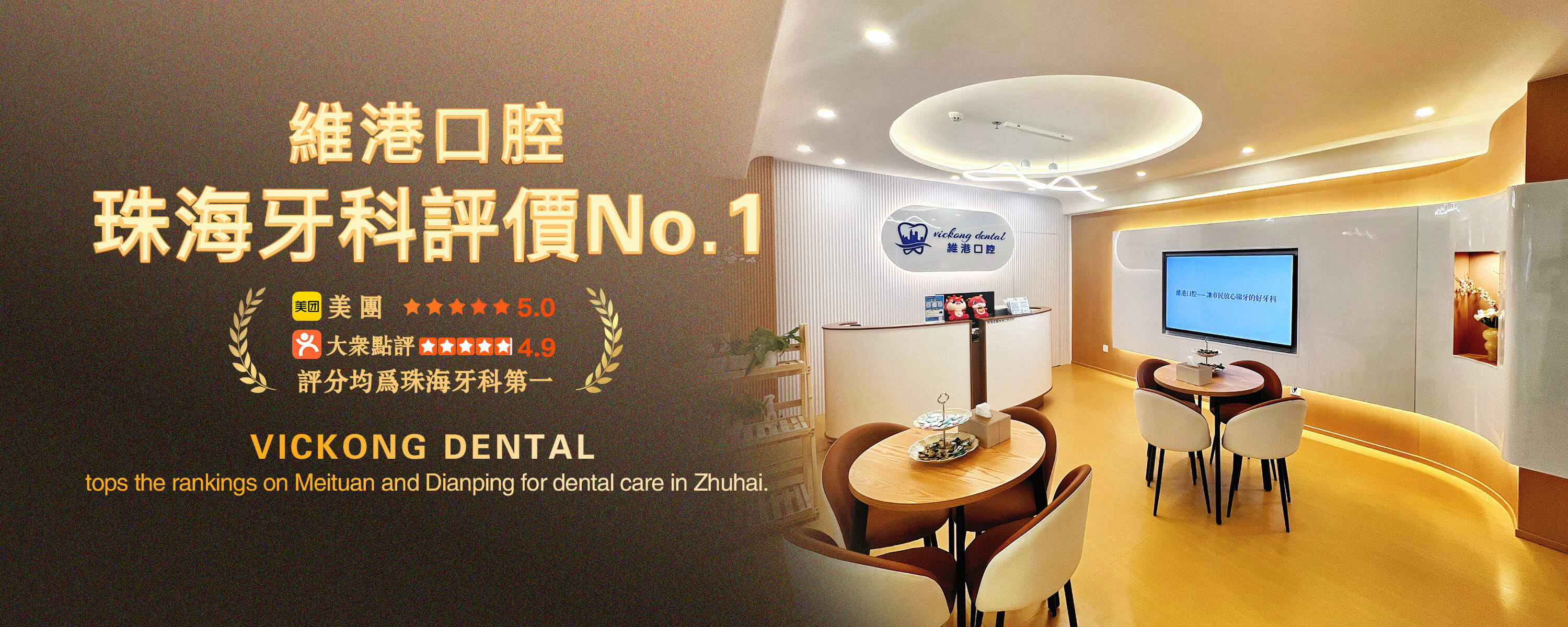
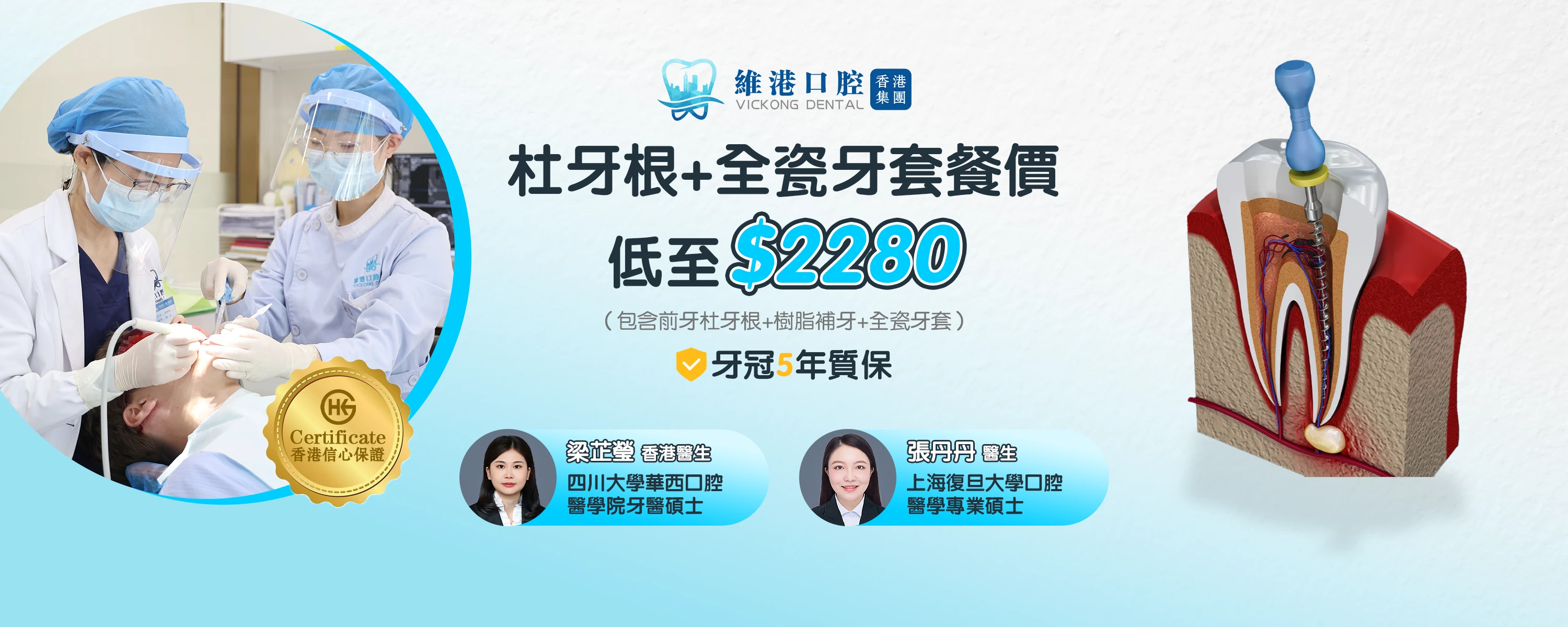
- Shenzhen/Guangzhou (chain clinics and licensed private practices): You’ll often see prices around RMB 180–400 for a basic scale and polish, sometimes with a first-time promo or membership deal. Converted to HKD, it can look “same same but different” and yes, roughly half for the basic service.
So on paper, the north looks cheaper. But, mai pen rai, don’t rush—let’s add the hidden extras to get the real picture.
Hidden costs people forget
- Travel time and transport: If you’re crossing the border, factor in MTR fares, taxis, and the time spent at immigration. A return trip can easily eat up half a day. Time is money, yah?
- Admin and documents: Depending on your status, permits or visa costs apply. Not huge for many, but it’s still part of the total bill.
- Upsells and add-ons: Some clinics might recommend “deep cleaning,” medications, or extras like fluoride varnish and desensitizing gels. Sometimes needed, sometimes just nice-to-have. Ask for itemized prices before saying okay.
- Communication and clarity: If the dentist explains in Mandarin and you’re more comfortable in Cantonese or English, things can get “same same but different.” Clear communication matters, especially if you have gum issues.
Quality, safety, and all that good stuff
Price is one thing; hygiene and professional standards are another. Many clinics up north are modern, clean, and fully licensed. Still, it’s smart to do a quick check:
- Licensing: Look for clinic license and dentist registration on display. Legit clinics are happy to show you.
- Sterilization: Make sure tools are packaged and opened in front of you, and ultrasonic tips look clean and sealed. Autoclave use is standard—don’t be shy to ask.
- Receipts and records: Req
uest an itemized receipt. Good clinics will note the type of scaling, any anesthetic used, and recommendations for next time.
Insurance, aftercare, and follow-up
If you have dental insurance tied to Hong Kong providers, cross-border services may not be covered or reimbursed. For sensitivity or minor gum soreness after scaling (quite normal), it’s easier to pop back to a nearby clinic than to plan another cross-border trip. If complications happen—rare but possible—having a local dentist who knows your case is convenient. Think long-term, not just the first visit cost.
When “going north” makes sense
- You live close to the border and travel frequently anyway. The time cost is low, and you can pair your appointment with other errands—no stress.
- You’re booking for family or a couple of people together. Group savings plus promos can make the deal sweeter.
- You need more than a basic clean. If you’re facing deep scaling or a course of periodontal treatment, price differences can be significant. In that case, detailed consultation and clear follow-up plan matter more than a quick in-and-out.
When staying local is smarter
- Your schedule is tight. If half-day travel is a headache, convenience wins.
- You prefer your dentist to speak your language, explain findings clearly, and maintain long-term records.
- Insurance coverage and easy aftercare matter to you. For many people, less fuss = more sabai.
A quick word for readers in Thailand
If you’re based in Thailand, many reputable clinics in Bangkok, Chiang Mai, and Phuket offer scaling at friendly prices—often in the range of THB 800–2,000, with modern equipment and English-speaking staff. Dental tourism here is well-established, and the vibe is very mai pen rai—book online, walk in, get it done, no drama. If you’re comparing multiple destinations, Thailand can be a comfortable, value-for-money choice.
Smart checklist before you book anywhere
- Confirm the exact service: Basic scaling vs deep cleaning. Ask why you need which one.
- Ask for the total price upfront: Consultation, scaling, polish, fluoride, X-rays, meds—itemize please.
- Check sterilization standards and licensing: Simple, but important.
- Clarify language: Make sure you understand findings and follow-up.
- Plan timing: Weekdays are often less busy; pair travel with other errands to maximize value.
So, is “going north” really half price?
For a standard scale and polish, yes—pure sticker price can be around half compared to many Hong Kong private clinics. But once you add travel, time, potential upsells, and aftercare convenience, the saving may become thinner. If you’re near the border or booking for more than one person, it can be worth it. If you value convenience, insurance support, and easy follow-up, staying local may feel more comfortable and, in the long run, same same but smarter.
Bottom line: Don’t choose based only on the headline number. Pick a licensed clinic, get a transparent quote, and go with the option that fits your lifestyle. Health first, wallet happy—sabai sabai.


