









Title: 北上洗牙啱邊啲人?
Thinking about “going up north” for a quick teeth cleaning? In Hong Kong, many people pop over to Shenzhen for a scale-and-polish because it’s faster and cheaper. But is this move right for everyone? Here’s a practical, sabai-sabai guide (easy-going, as we say in Thailand) to help you decide, with straight talk on cost, safety, convenience, and who benefits most.
What “going north for teeth cleaning” really means
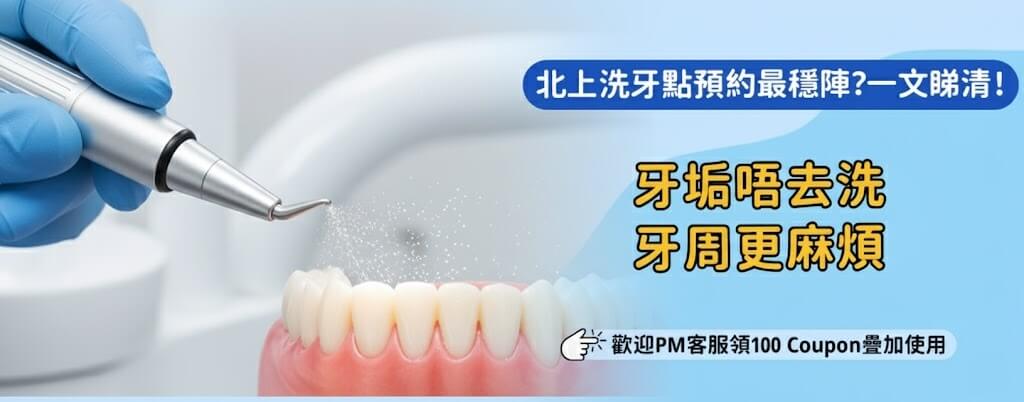
You cross the border to a Mainland China clinic—often Shenzhen—for an ultrasonic scaling, polish, and sometimes fluoride. Some clinics bundle an oral exam and X-ray. The draw is simple: lower fees, short waiting times, and lots of appointment slots, even on weekends.
Who is a good fit for going north
- Price-conscious patients: If HK prices make you wince, Shenzhen can be much lighter on the wallet while still delivering a clean, smooth finish on your teeth.
- People with routine dental needs: If you’re just due for a regular scale-and-polish with no gum disease, sensitivity, or complex history, cross-border cleaning can be a straightforward errand.
- Flexible weekday travelers: If you can go on a weekday morning, you’ll enjoy quieter clinics and faster border queues—very sabai.
- Those comfortable with simple Mandarin or app-based booking: Many clinics chat on WeChat/WhatsApp for bookings. Some have Cantonese or English-speaking staff, but not all.
- Frequent border hoppers: If you’re already in and out of Shenzhen for shopping, massage, or hotpot, adding a 40-minute cleaning fits nicely.
- Family or group visits: Clinics up north often handle families back-to-back, which can be convenient if you’re organizing kids’ cleans too.
Who should consider staying local
- Anyone with gum problems: If you have bleeding gums, loose teeth, deep pockets, or were told you need deep cleaning (root planing), continuity of care matters. Stick with a regular dentist who can review healing and do recalls.
- Patients needing frequent follow-ups: Orthodontics, implants, or ongoing periodontal care should stay with one clinic to keep records tight and consistent.
- Highly anxious patients: If you need extra time, sedation options, or a familiar dentist, a trusted local practice is more comfortable.
- People claiming dental insurance in HK: Some insurers prefer HK-registered providers and itemized tax receipts; check your policy first.
- Those who prioritize one-click convenience: If language or navigation feels stressful, no need to be jai rawn (hot-hearted). A calm, nearby clinic might be worth the extra dollars.
Pros and cons at a glance
Pros:
- Cost savings for routine cleaning
- Shorter waiting time and more slots
- Newer equipment in many city clinics
- Easy to combine with a day trip
Cons:
- Follow-up can be tricky if issues arise afterward
- Records and X-rays may not transfer smoothly
- Language and payment quirks
- Travel time and border timing add overhead
Costs and what’s usually included
- Hong Kong: A routine scale-and-polish typically runs around mid to high triple digits HKD, sometimes over 1,000 HKD if an exam and X-ray are included.
- Shenzhen: You might see packages around low to
mid hundreds RMB for scaling and polishing. An oral exam is often included; X-rays and fluoride may be add-ons.
- Hidden costs to watch: Cross-border transport, queue time, extra fees for X-rays, desensitizing agents, or periodontal assessment. Always ask for an itemized quote first.
What to check before you book
- Licensing and credentials: Look for clearly listed dentist names, qualifications, and registration numbers on the clinic site or storefront.
- Infection control: Ask about instrument sterilization (autoclave use), disposable tips, and waterline maintenance. A reputable clinic will answer confidently.
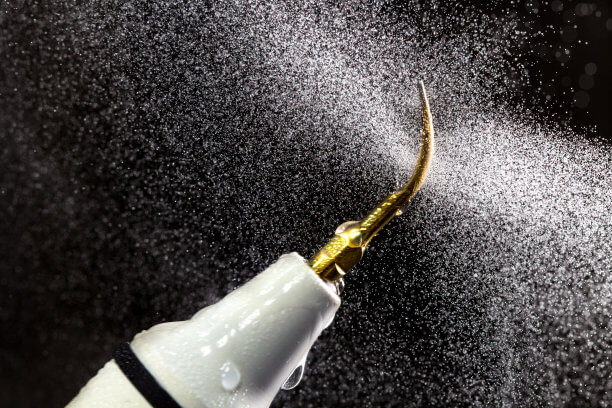
- Scope of service: Confirm what “scaling” includes—ultrasonic scaling, hand scaling for stubborn calculus, polishing, and whether fluoride is included.
- X-rays: Are they recommended routinely or only as needed? Ask about the cost and whether images can be sent to you digitally.
- Language support: Confirm Cantonese/English availability if you need it.
- Payment and receipts: Check if they accept cards, mobile wallets, and whether you’ll get an itemized receipt suitable for claims.
- Appointment policy: Any deposit? How late can you reschedule? Weekend surcharges?
- Reviews and word-of-mouth: Recent, detailed reviews are more reliable than generic praise.
Travel and timing tips
- Pick off-peak hours: Early weekday slots = less border crowd and more relaxed chair time.
- Keep it simple: Don’t stack a cleaning right before a heavy hotpot session if your gums are a bit tender. Give yourself a chill buffer—sabai sabai style.
- Bring past records if needed: If you’ve had recent X-rays or a periodontal chart, bring a copy for context.
How often should you clean your teeth?
For most adults, every 6 months is standard. If you have gum inflammation, smoke, or wear fixed braces, 3–4 monthly intervals may be advised. Remember: plaque is soft and forms daily; tartar is hardened plaque that needs professional tools to remove.
Red flags that mean you should see a dentist locally sooner
- Spontaneous bleeding when brushing or flossing
- Bad breath that doesn’t improve with daily hygiene
- Receding gums or sensitivity to cold
- Wobbly teeth or painful chewing
If you have these, don’t wait. Cross-border or not, book a proper assessment before a quick clean. Mai pen rai is a lovely mindset for small stuff, but gum disease is not one of them.
Simple hygiene upgrades you can do at home
- Brush twice daily with a soft brush for two minutes
- Use fluoridated toothpaste
- Clean between teeth daily with floss or interdental brushes
- Consider an alcohol-free mouthwash if your dentist recommends it
- Don’t skip regular recalls—professional cleaning reaches places your brush can’t
Bottom line: Who is “going north for cleaning” best for?
If your mouth is healthy, you’re due for a routine clean, you’re price sensitive, and you’re comfortable with quick cross-border logistics, going north can make sense and save money. If you have gum issues, need follow-ups, or prefer zero friction, book local and keep your care under one roof. Choose calmly, plan ahead, and your smile—and your schedule—will both feel relaxed. Sabai sabai.


