








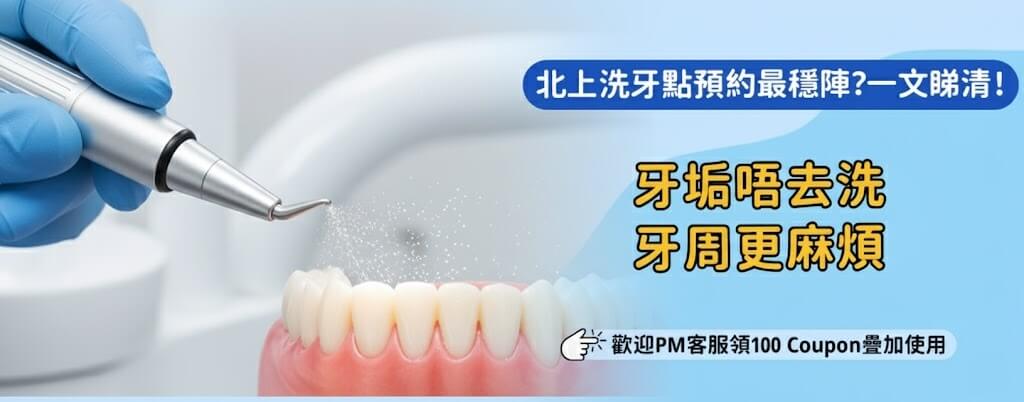
《北上洗牙系咪用超聲波?》
If you’re thinking of going “up north” for teeth cleaning because it’s faster or cheaper, one big question comes up: do they use ultrasonic for the cleaning? Short answer: yes, most modern clinics use an ultrasonic scaler for routine dental cleaning, same same as many clinics in Hong Kong and Bangkok. The key is the clinic’s standards, not the postcode. Let’s go through what ultrasonic cleaning actually is, what to expect, and how to choose a reliable clinic so you can go sabai sabai and keep your gums healthy.
What is ultrasonic teeth cleaning?
Ultrasonic scaling is a professional dental cleaning method that uses a handpiece with a tiny metal tip vibrating at a very high frequency. It sprays a cooling mist of water at the same time. The vibration plus water flow helps break up plaque and hardened tartar (calculus) on your teeth, especially along the gumline. The water also flushes out bacteria. This tech is efficient, reaches tight spots, and is gentle on enamel when used correctly.
You’ll often hear terms like ultrasonic scaler, ultrasonic scaling, or prophylaxis. For deeper gum problems, dentists may do scaling and root planing (a “deep cleaning”), sometimes with local anaesthetic.
Do clinics “up north” use ultrasonic?
In major cities across the border, ultrasonic scalers are very common, especially in private clinics and hospital dental departments. You’ll also find them in most clinics across Southeast Asia. The brand or generation of the device may vary, but the principle is the same. Some clinics combine ultrasonic with hand instruments for a smooth finish and better comfort.
Because quality can be different from place to place, it’s fair to ask the clinic:
- Do you use an ultrasonic scaler for routine cleaning?
- What infection control do you follow? Do you autoclave tips and handpieces?
- How long is the cleaning appointment?
If they answer clearly and confidently, good sign. If the clinic only offers a very short “polish” without scaling, that’s a red flag for gum health.
Is ultrasonic safe for teeth and gums?
Used correctly by a trained professional, ultrasonic cleaning is safe and effective. It does not strip enamel. It removes plaque, tartar, and surface stains, which helps prevent gum disease and bad breath.
A few notes:
- Sensitive teeth: You might feel slight zings, especially near the gumline or exposed root surfaces. This is normal and passes quickly. You can ask them to lower power or use more water cooling.
- Braces, implants, restorations: Dentists adjust settings or use special tips. No worries, just let them know your dental history.
- Pacemakers: Many modern pacemakers are fine with ultrasonic scalers, but still inform the dentist so they can decide the safest approach.
- Pregnancy: Routine cleaning is generally safe and recommended, especially in the second trimester. Always mention if you’re pregnant.
What happens during a cleaning visit?
A typical session goes like this:
- Quick check of teeth and gums, plus a gum bleeding score if they do it
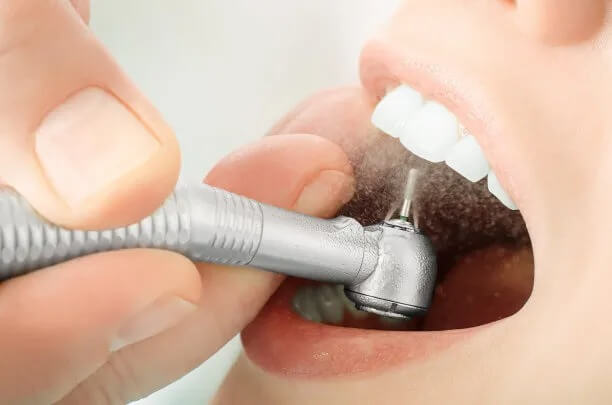
- Ultrasonic scaling to remove tartar and plaque above and sometimes just below the gumline
- Hand scaling for fine tuning in tight areas
- Polishing to smooth the surface and remove superficial stains
- Fluoride gel or varnish if you are high risk for decay
- Home care advice tailored to your mouth
You might hear a buzzing sound and feel water spray. That’s normal. You can raise your hand anytime if you need a break—no need to be kreng jai.
Does ultrasonic whitening the teeth?
It does not change the natural shade of enamel, but it removes stains from coffee, tea, or curry, so teeth often look cleaner and a bit brighter. For a true color change, you need professional whitening. Ultrasonic cleaning is step one for a fresh base.
Hand scaling vs ultrasonic: which is better?
They are partners, not rivals. Ultrasonic is fast and great for heavy deposits and biofilm. Hand instruments give a smooth finish and reach certain angles. A balanced combo usually gives the best result.
Routine cleaning vs deep cleaning
- Routine dental cleaning: For healthy gums or mild gingivitis. Usually every 6 months, sometimes every 3–4 months if you build tartar fast or have braces.
- Deep cleaning (scaling and root planing): For periodontitis (pockets, bone loss). Done by quadrants, often with anaesthesia, and followed by maintenance visits.
How long does it take and how much does it cost?
Time: 30–60 minutes, depends on tartar amount and gum condition.
Cost: Varies by city and clinic level. Cross-border clinics can be cheaper than central Hong Kong prices. But don’t chase the lowest number; look for transparent quotes, clear scope (includes scaling and polishing), and proper aftercare advice. Price with good standards is better value than cheap but rushed.
Any side effects after ultrasonic cleaning?
- Mild sensitivity to cold or sweet for a few days is common, especially if tartar covered exposed root areas before.
- Gums may feel tender and bleed a little at first as inflammation settles.
- You can eat and drink normally after, but maybe skip very spicy or icy food on the same day if your teeth feel sensitive. Tom yum can wait one day—mai pen rai.
How to choose a clinic when you go north
- Check credentials: Dentist license on display, clinic registration, and years of practice.
- Ask about equipment: Ultrasonic scaler brand or type, single-use tips or autoclave proof sterilisation.
- Infection control: Gloves, masks, sterilised instruments in sealed pouches, surface disinfection.
- Communication: Dentist explains findings, shows problem areas, and gives you a cleaning plan and recall interval.
- Reviews: Realistic reviews (not all five stars, not all generic). Word of mouth from friends is gold.
- Receipts and records: You should get an itemised receipt and, if possible, a brief report or before/after photos of heavy tartar areas.
Home care after your cleaning
- Brush twice daily with a soft brush and fluoride toothpaste.
- Clean between teeth daily with floss or interdental brushes.
- Consider an alcohol-free mouthwash if gums are inflamed.
- Book your next recall as advised—consistency beats hero sessions.
Bottom line
Going north for a dental clean? Ultrasonic scaling is widely used and, when done properly, safe and effective for tartar removal and gum health. The experience is same same but different depending on the clinic’s standards. Choose a clinic that communicates well, follows strict hygiene, and gives you enough chair time. Do that, and you can sit back, relax, and keep your smile healthy—sabai sabai.


