












《北上洗牙會唔會傷牙肉?》
If you’ve been thinking about heading “up north” for a quick teeth cleaning because the price looks friendly and the schedule is flexible, you’re not alone. Many people wonder: will scaling and polishing hurt my gums? In simple terms, professional teeth cleaning should not damage healthy gums. When done properly by a trained dentist or hygienist, scaling is designed to protect your gum health, not harm it. Let’s go chai yen yen (take it easy) and break it down in a clear, practical way.
What exactly is teeth cleaning?
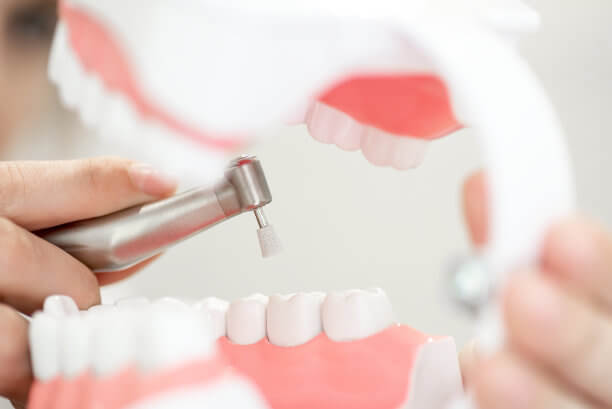
Professional cleaning, often called scaling and polishing, removes plaque and hardened tartar (calculus) from the teeth surfaces and just under the gumline. Dentists use ultrasonic scalers (they gently vibrate to break up deposits) and fine hand instruments for detail work. Polishing smooths the tooth surface so plaque doesn’t stick easily. If you have gum disease, a deeper treatment called scaling and root planing might be recommended, sometimes with local anaesthesia. It’s same same but different—regular cleaning is preventive; deeper cleaning is therapeutic.
Does scaling make gums recede?
This is a common myth. After a thorough clean, inflamed gums often settle down and tighten. If tartar had been “puffing” your gums out, once it’s removed, the gums may look slightly lower. That’s not damage; it’s a healthier shape returning. You might also feel your teeth are a bit “longer” or more sensitive because the newly exposed surface is clean and no longer covered by plaque. With good home care, sensitivity usually improves in a few days.
Why do gums bleed during cleaning?
Bleeding comes from inflamed tissue, not from a well-done procedure. Plaque and tartar trigger gingivitis, and inflamed gums bleed more easily—even when brushing at home. During professional cleaning, removing that buildup can cause temporary bleeding. No worries: as the inflammation reduces, bleeding will settle, typically within a few days.
What can go wrong?
While scaling is safe in trained hands, problems can happen if technique is too aggressive or hygiene standards are poor. Potential issues include:
- Temporary tooth sensitivity, especially to cold drinks
- Minor gum tenderness or small abrasions that heal quickly
- In rare cases, infection risk if instruments aren’t properly sterilised
That’s why choosing a reputable clinic matters, whether you stay local or go north. Price is important, but quality and safety come first—mai pen rai about saving a few baht if the standards are questionable.
How to choose a clinic when you go north
- Check qualifications and licensing. Look for a registered dentist or dental hygienist with visible credentials.
- Ask about infection control. Sterilisation protocols, sealed instrument packs, and clean treatment rooms are non-negotiable.
- Expect a b
asic assessment. A quick gum check, pocket measurements if needed, and X-rays where appropriate show they’re not just rushing the job.
- Clarify the service. “Scaling and polishing” for maintenance is different from “scaling and root planing” for gum disease. If deeper cleaning is suggested, ask why and what findings support it.
- Request gentle settings. A well-calibrated ultrasonic scaler and careful technique reduce discomfort.
- Consider reviews and word of mouth. Real experiences from friends or trusted sources are gold.
What does aftercare look like?
After cleaning, think sabai sabai—simple, calm care works best:
- Brush gently twice a day with a soft-bristle brush. Angle the bristles toward the gumline.
- Clean between teeth daily with floss or interdental brushes. This is key to keeping gum inflammation down.
- Rinse with warm salt water for a day or two if gums feel tender.
- If sensitivity pops up, try a desensitising toothpaste for 1–2 weeks.
- Skip smoking and go easy on very spicy or acidic foods right after the appointment. Enjoy your tom yum, but maybe not the extra-hot version on the same day.
How often should you get your teeth cleaned?
For most people, every 6 months is ideal. If you have risk factors—smoking, diabetes, dry mouth, or a history of gum disease—every 3–4 months may be better. Heavy tea, coffee, milk tea, or hotpot fans may also benefit from more frequent visits due to stain and plaque buildup. Consistency beats intensity: small, regular steps keep gums happy.
Does cheaper mean lower quality?
Not always. Some clinics offer competitive prices with great service. But remember, scaling is a clinical procedure, not just a cosmetic polish. The value lies in skilled hands, proper diagnosis, and safe protocols. Same same but different—two clinics can look similar, yet one may deliver more thorough care and better outcomes.
Red flags to watch for
- No assessment, straight to instruments
- Painful, rough technique without explanation
- No protective eyewear or bib, poor hygiene setup
- Pressure to sell treatments you don’t understand
When to seek deeper care
If you notice persistent bad breath, bleeding when brushing, teeth feeling “loose,” or gum tenderness that doesn’t improve, you might have periodontal issues. Deeper cleaning, gum therapy, or other treatments could be needed. Early action is kinder to your wallet and your smile.
Bottom line
“北上洗牙會唔會傷牙肉?” In short, proper scaling and polishing do not harm healthy gums. They remove the bacteria and deposits that irritate and weaken your gum tissue. Mild sensitivity or a bit of bleeding is normal and temporary. Choose a reputable clinic, ask smart questions, and keep up with daily home care. With the right approach, your gums will feel better, your breath fresher, and your smile more sabai sabai—no worries.


